
- Home
- /
- Female Fertility Assessment
Female Infertility Specialist in Sector 15 Gurugram
What Is a Female Fertility Assessment?
A female fertility assessment is a medical evaluation that looks at factors that may affect a woman’s ability to conceive. It may review menstrual cycles, ovulation, reproductive health, medical history and, when indicated, the uterus, ovaries and fallopian tubes. The purpose is to understand whether further tests or care may be useful, not to predict pregnancy with certainty.
If you are looking for a Female Infertility Specialist in Sector 15 Gurugram, an individual consultation can help you discuss your concerns and understand which investigations may be appropriate. A Female Fertility Specialist in Sector 15 Gurugram should consider your age, symptoms, menstrual history, previous pregnancies and reproductive goals when planning an assessment.
Female Fertility Assessment in Gurugram may be considered by women who are trying to conceive, have irregular periods or have a known condition that could affect fertility. Not every woman needs the same tests, and some investigations may not be necessary at all.
When Should a Woman Consider Fertility Testing?
The right time to seek an assessment depends on age and personal medical circumstances. General guidance recommends an infertility evaluation after 12 months of regular, unprotected intercourse if the woman is younger than 35, and after six months if she is 35 or older. Women over 40 may benefit from seeking advice sooner.
Consider discussing fertility testing with a qualified clinician if you have absent or irregular periods, severe period pain, a history of endometriosis, pelvic infection or reproductive surgery, or a known hormonal condition. An assessment may also be appropriate if you have experienced repeated pregnancy loss or if your partner has a known fertility concern.
A Female Infertility Specialist in Sector 15 Gurugram can review these factors and help decide whether assessment is needed now. A Female Infertility Doctor in Gurugram may also discuss how long you have been trying to conceive and whether your medical history suggests earlier testing. Seeking advice does not automatically mean you will need fertility treatment.
What to Expect During a Female Fertility Consultation
A consultation usually begins with a discussion of your concerns and medical history. You may be asked about period dates, cycle length, pain, previous pregnancies, past treatments, current medication and how long you have been trying to conceive. Bring previous reports if you have them.
A Female Infertility Doctor in Gurugram may then explain whether an examination or tests are appropriate. You should have an opportunity to ask what each investigation is for, whether it needs to be done on a particular day of your cycle, and how the results may influence the next steps.
A Female Fertility Specialist in Sector 15 Gurugram can help you understand the purpose and limits of the assessment. If a test suggests a concern that needs further care, the clinician may discuss suitable treatment options or referral. Recommendations should be based on your findings rather than assumptions.
Female Infertility Specialist in Sector 15 Gurugram
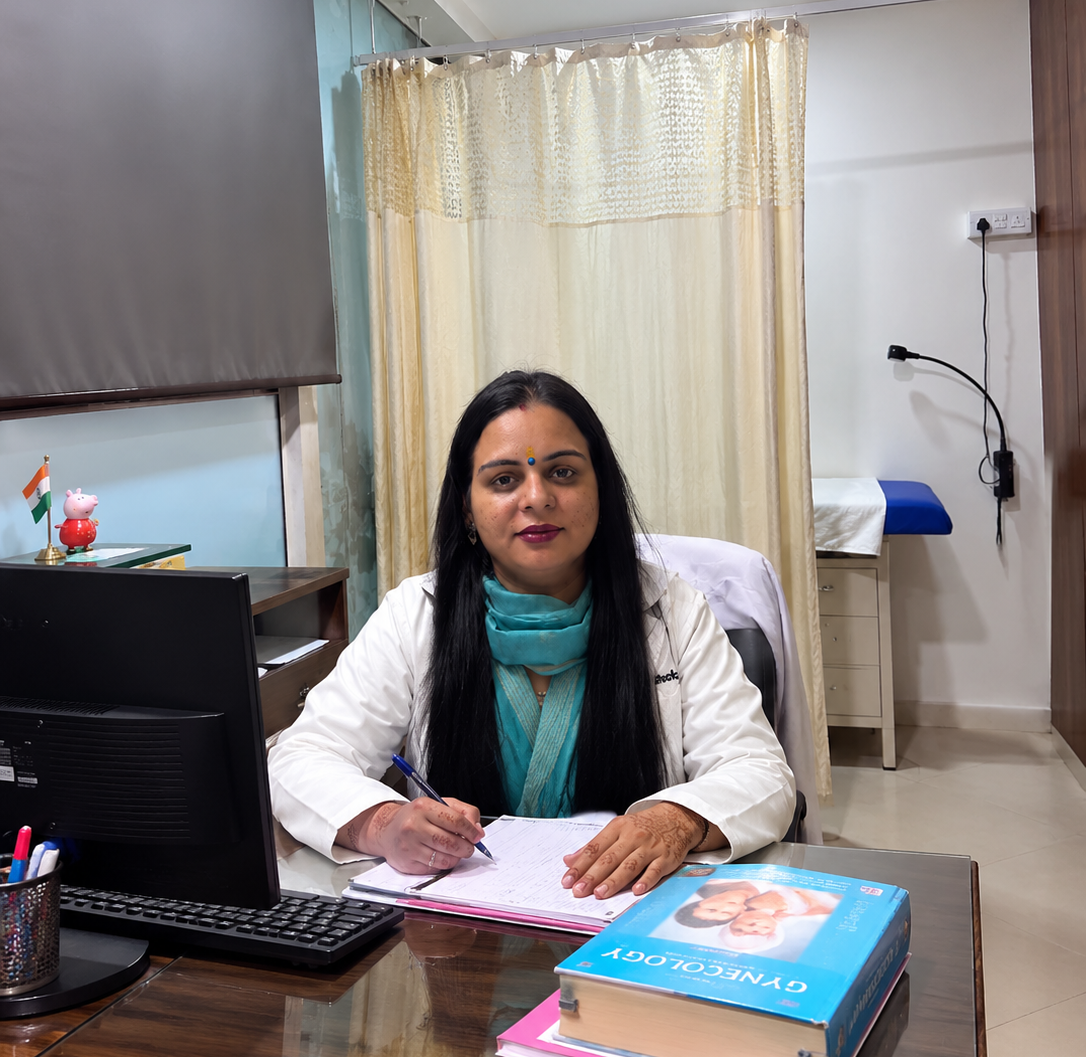
Women looking for a Female Fertility Specialist in Sector 15 Gurugram may want to begin with a consultation that focuses on their symptoms, menstrual history and reproductive goals. Maitrika Women Health Care Clinic is located at Shop No. 4, Lower Ground, Pal Arcade, Main Jharsa Road, Friends Colony, HVPNL Colony, Sector 15, Gurugram, Haryana 122001.
Contact the clinic to confirm appointment availability and which services are currently offered. Women travelling from nearby parts of Gurugram should check the route and appointment details before visiting. A location or online search term alone does not confirm that a particular test or procedure is available at the clinic.
Common Factors That May Affect Female Fertility
Female fertility can be influenced by several conditions. Having one of these conditions does not necessarily mean that you cannot conceive; its effect varies from person to person.
Ovulation-related problems and PCOS
Ovulation is the release of an egg from an ovary. If ovulation happens irregularly or does not occur, it may be harder to predict the fertile window. Polycystic ovary syndrome (PCOS) is one condition that can affect ovulation and may be associated with irregular periods.
Thyroid and other hormonal conditions
Thyroid disorders and some other hormonal conditions may affect menstrual cycles or ovulation. A clinician may recommend blood tests when symptoms or medical history suggest a possible hormonal issue.
Endometriosis and fallopian tube problems
Endometriosis may affect reproductive organs and can be associated with pelvic pain or difficulty conceiving. Fallopian tubes may become blocked or damaged following certain infections, surgery or other conditions. Further assessment may be considered if there is a reason to suspect a tubal concern.
Uterine conditions
Some uterine fibroids, polyps or structural differences may affect fertility depending on their size and location. An ultrasound or other investigation may help assess a suspected concern.
Tests Included in a Female Fertility Assessment
Testing is selected according to the woman’s age, symptoms, menstrual history, medical background and initial examination. A Female Fertility Test in Gurugram may involve one or more of the following investigations, but not every woman needs every test.
Medical and menstrual history
The clinician may ask about cycle length, period regularity, pain, previous pregnancies, time spent trying to conceive, past surgery, current medicines and relevant health conditions. Tracking the first day of each period can help make this discussion more useful.
Physical examination
A physical examination may be recommended when appropriate to the symptoms and clinical question. The clinician should explain why it is being suggested and answer any questions before proceeding.
Hormonal blood tests
Blood tests may be used to assess thyroid function or hormones associated with ovulation and reproductive health. The timing of a test may depend on the menstrual cycle and the specific information being investigated.
Pelvic ultrasound
A pelvic ultrasound may help assess the uterus, ovaries and pelvic structures. Whether it is needed depends on symptoms, history and the clinician’s assessment.
How to Prepare for a Female Fertility Test in Gurugram
Before your appointment, note the first day of your recent periods and whether your cycles are regular. Prepare a list of medicines, supplements, previous diagnoses, surgeries and any earlier fertility tests. Bring relevant reports so the clinician can review what has already been done.
Ask whether a test needs to be scheduled for a particular day of your menstrual cycle, whether fasting is required, or whether any other preparation is needed. Do not stop prescribed medicines unless your clinician advises you to do so.
If you are arranging a Female Fertility Test in Gurugram, confirm the test details with the clinic before visiting. Preparation requirements differ between investigations, so avoid assuming that every test follows the same instructions.
Female Infertility Specialist in Sector 15 Gurugram: Understanding Your Test Results
Fertility test results need to be interpreted in context. A result that falls within a laboratory reference range does not guarantee pregnancy, and an abnormal result does not always mean that natural conception is impossible. The meaning depends on age, symptoms, menstrual history and other findings.
For example, ovarian reserve tests may provide information about egg supply, but they do not directly measure egg quality or guarantee whether conception will occur. Ultrasound findings also need to be considered alongside the clinical history. If results are unclear, the clinician may recommend repeat testing, further assessment or a specialist opinion.
Discuss the results with a qualified clinician rather than relying on a single number or interpreting reports without context.
When Should You Consult a Female Infertility Doctor in Gurugram?
Consider professional advice if you have been trying to conceive for the recommended period based on your age, or sooner if you have irregular periods, severe pelvic pain, a known reproductive condition or another concern. A Female Infertility Doctor in Gurugram can help review your symptoms and discuss whether assessment is appropriate.
You can also seek advice if you want to understand your menstrual health before trying to conceive. Fertility testing is not necessary for every woman who is planning a pregnancy; the decision depends on medical history, symptoms and individual circumstances.
Visit us on Jharsa Road, Sector 15
Maitrika Women Health Care Clinic
Shop No. 4, Lower Ground, Pal Arcade, Main Jharsa Road, Friends Colony, HVPNL Colony, Sector 15, Gurugram, Haryana 122001
- Sector 15
- Jharsa Road
- Friends Colony
- Civil Lines
- Sadar Bazaar
Please confirm consultation availability and available services before you visit.
Frequently asked questions
It may include a review of menstrual and medical history, examination when appropriate, hormone tests, pelvic ultrasound or other investigations based on individual findings. Not every woman needs all available tests.
Women younger than 35 are generally advised to seek an infertility evaluation after 12 months of trying, while women aged 35 or older may benefit from evaluation after six months. Earlier advice may be appropriate when symptoms or known conditions are present.
Depending on the circumstances, a clinician may consider hormone blood tests, ultrasound, ovulation assessment, ovarian reserve testing or evaluation of the fallopian tubes. A Female Fertility Test in Gurugram should be chosen according to the clinical question, not as a standard set for everyone.
Irregular periods may indicate irregular ovulation, which can make the fertile window harder to predict. PCOS, thyroid disorders and other factors may contribute. An assessment can help determine whether further tests are needed.
No. A normal result can be reassuring about the specific factor tested, but it cannot guarantee pregnancy or assess every aspect of fertility. Results should be interpreted alongside age, medical history and other findings.
Track your menstrual dates, bring previous reports and list your medicines and relevant health conditions. Ask the clinic whether the test needs specific cycle timing or preparation. Follow the instructions provided for your particular investigation.
Consider an assessment if you have been trying to conceive for the recommended period based on age, or sooner if you have irregular periods, severe pelvic pain or a known reproductive condition. A Female Infertility Specialist in Sector 15 Gurugram can discuss whether testing is appropriate for your circumstances.
A Female Fertility Specialist in Sector 15 Gurugram can review your history, explain possible investigations and help interpret findings in context. The recommendations depend on your symptoms, age, medical background and reproductive goals.
You may consider consulting a Female Infertility Doctor in Gurugram if you have difficulty conceiving, irregular cycles, a relevant medical history or questions about reproductive health. Earlier evaluation may be appropriate when there are known risk factors.
No. Testing is not routinely necessary for every woman who is planning pregnancy. A clinician can help decide whether tests are indicated based on age, symptoms, history and how long you have been trying.
Book a Female Fertility Assessment
Understanding your reproductive health can help you make informed decisions about pregnancy planning and any further evaluation you may need. If you have concerns about menstrual cycles or difficulty conceiving, consider discussing them with a qualified clinician.
Contact Maitrika Women Health Care Clinic to confirm appointment availability and the services offered. A personalised assessment can help clarify suitable next steps, but no single test can guarantee pregnancy or predict every outcome.